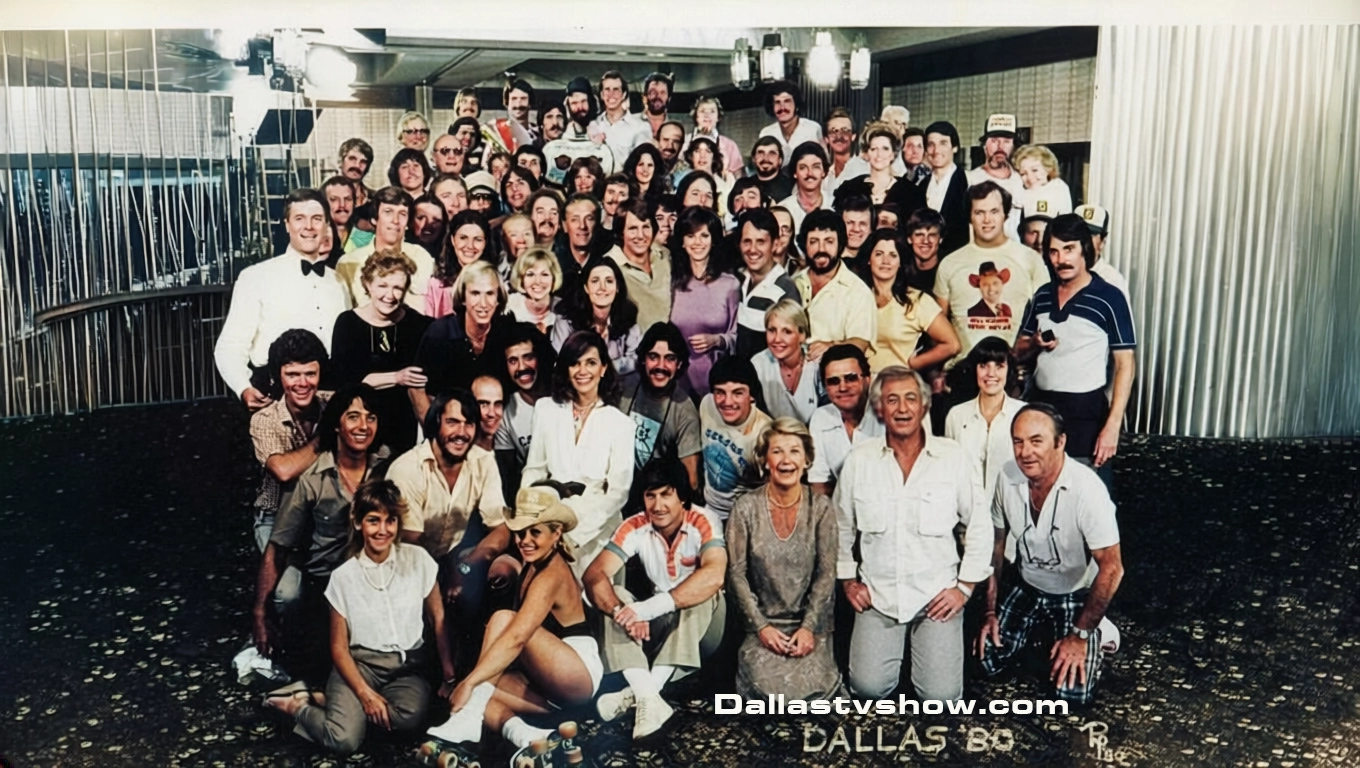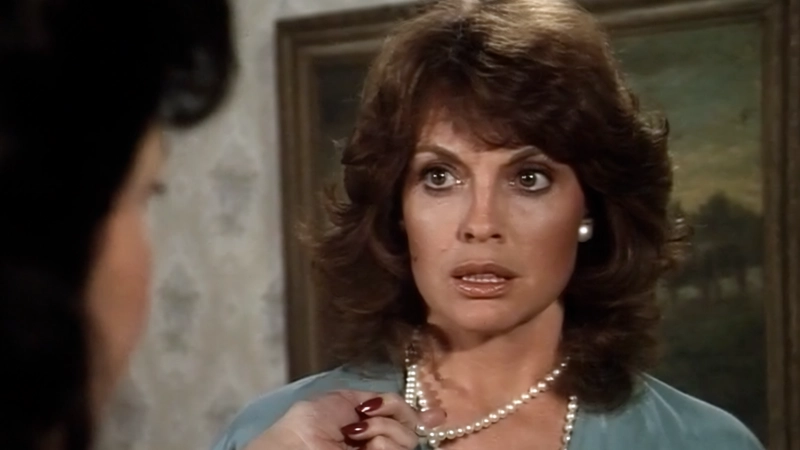
Patrick Duffy
Patrick Duffy is best known as Bobby Ewing, the moral centre of Dallas and the character who anchored the show’s heart amid decades of family warfare. From early training and a cult sci-fi lead to global primetime fame, Duffy’s career spans drama, comedy, directing, and a second act that returned Dallas to modern television.
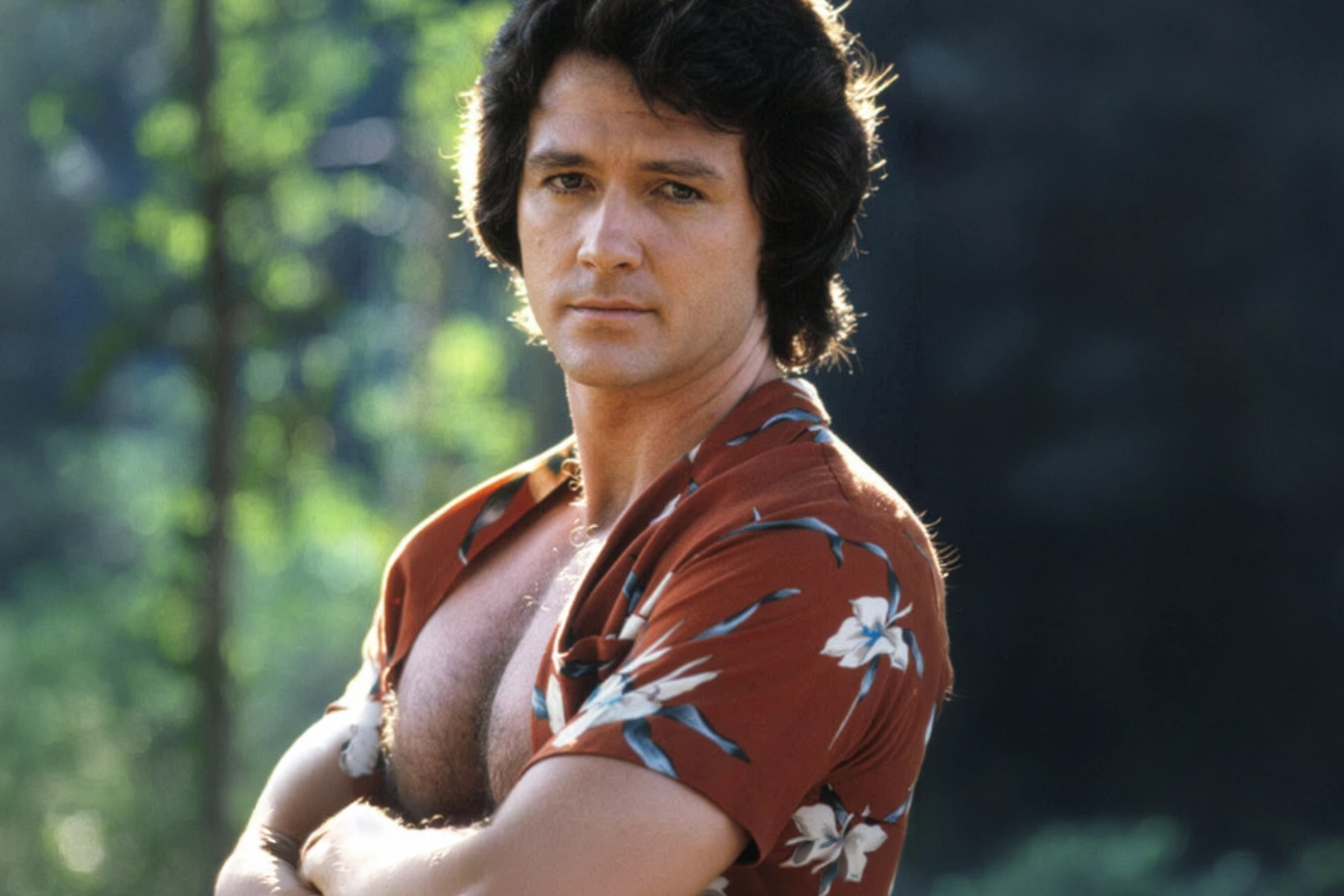
“Bobby is the guy who believes the family can be better than its worst instincts.” — Patrick Duffy (interview excerpt)
Early life: Montana beginnings and a new home in Washington
Patrick Duffy was born in Townsend, Montana, and spent his early childhood in the American West before moving to Everett, Washington as a pre-teen. The transition shaped his sense of place: Montana remained an emotional anchor, while Washington became the landscape where he grew into adulthood and discovered his creative direction.

Like many future actors, Duffy’s path began with curiosity rather than certainty. Early interests included sport and performance, but theatre offered something different: a craft built on repetition, listening, and precision — qualities that later made Bobby Ewing feel grounded even when Dallas storylines spiralled into the spectacular.
Training: discipline before fame
Duffy trained formally, earning a drama degree at the University of Washington and continuing his studies at the Yale School of Drama. That combination — public-university rigor and elite conservatory intensity — is one reason he reads as “real” on screen. His acting choices often come from craft rather than volume: calm reactions, clean intentions, and emotional continuity across long story arcs.
Early theatre experience also helped him develop stamina. Long-running television is an endurance sport: scripts arrive fast, tone shifts, scenes demand clarity, and the character must remain recognisable even when the plot turns hard. Bobby Ewing’s consistency is not an accident.

Breakthrough: Man from Atlantis and the road to Dallas
Before Dallas made him globally famous, Duffy starred in the sci-fi adventure Man from Atlantis as Mark Harris. The series mixed mystery, underwater action, and a hero built on empathy — a tone that, in hindsight, foreshadowed the appeal of Bobby Ewing: decency with quiet strength.

That early leading-man visibility placed him in the right category for Dallas: credible, likeable, and strong enough to hold dramatic weight. When Dallas began, it wasn’t yet the giant it became — but Duffy’s casting was a foundational choice, because Bobby’s morality gives the show its internal contrast. Without Bobby, J.R.’s world has nothing to push against.
Dallas & Bobby Ewing: the conscience of the Ewing empire
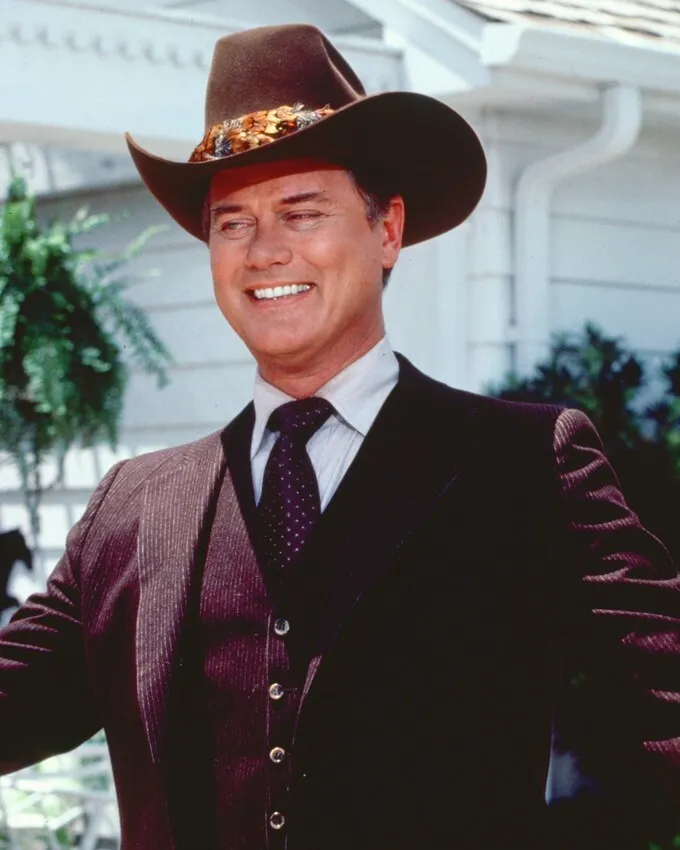
On Dallas, Bobby Ewing is often described as “the good Ewing,” but Duffy’s performance makes him more than a moral label. Bobby is principled, yet not naïve; loyal, yet capable of anger; romantic, yet exhausted by the cost of family conflict. The role demands a constant balancing act: Bobby must feel like a stabiliser without becoming bland, and Duffy accomplishes this by playing the pressure, not the pose.

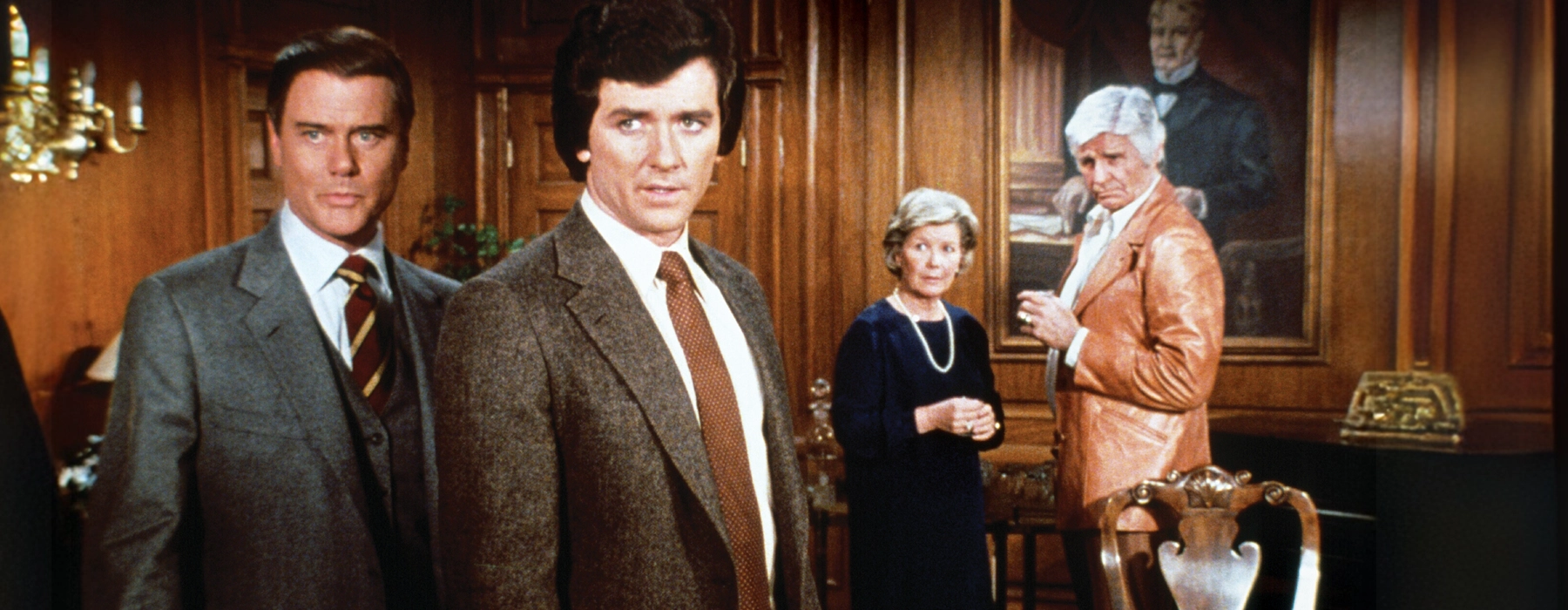
The Bobby–J.R. relationship became the show’s moral engine. J.R. operates like gravity — pulling everything toward advantage and appetite — while Bobby represents the idea that family, legacy, and love can mean more than winning. Dallas works because both men are compelling, and because their conflict is intimate: brothers who know each other’s weak points by instinct.
25 essential Bobby Ewing moments
These picks highlight Bobby’s core arcs: the love story, the family wars, the moral compromises, the losses, and the unexpected twists that turned Dallas into event television.
- Bobby’s earliest Southfork episodes: decency established as a force, not a weakness.
- First major Bobby–Pam turning point: romance as emotional centre.
- Key Ewing Oil confrontations: Bobby refusing to play the game the “easy” way.
- Classic Bobby vs J.R.: brotherhood weaponised in business.
- Moments where Bobby protects the family without endorsing what it becomes.
- The “Who shot J.R.?” era: Bobby as the calm eye of the storm.
- Boardroom scenes where Bobby’s restraint becomes its own kind of power.
- Bobby in crisis: the show’s most believable anger comes out quietly.
- The marriage stress points: love tested by constant Ewing collateral damage.
- Times Bobby makes the “wrong” choice for the “right” reasons.
- A season finale where Bobby’s safety (or lack of it) changes everything.
- The episode that best shows Bobby’s integrity under direct pressure.
- Bobby dealing with grief: performance built on understatement.
- Family meetings at Southfork: Bobby as mediator when the house is on fire.
- Bobby’s most decisive “enough” moment — when compromise ends.
- Return-era Bobby: the character grows older without losing his moral core.
- Scenes where Bobby becomes the family leader by default, not ambition.
- Bobby as father: the softer side that still carries authority.
- Moments where Bobby’s patience becomes strategy.
- Bobby making peace with the fact that J.R. will not change.
- One of the strongest Bobby monologues: principle articulated with clarity.
- Key late-run Dallas episodes where Bobby drives the plot, not just reacts.
- The TV movie era: Dallas in continuation mode, with Bobby still central.
- The TNT continuation: Bobby as elder statesman at Southfork.
- The farewell arc to the classic cast era: Bobby holding the legacy together.
Episode navigation and summaries are available at /episodes/.
The Dream Season and Bobby’s return
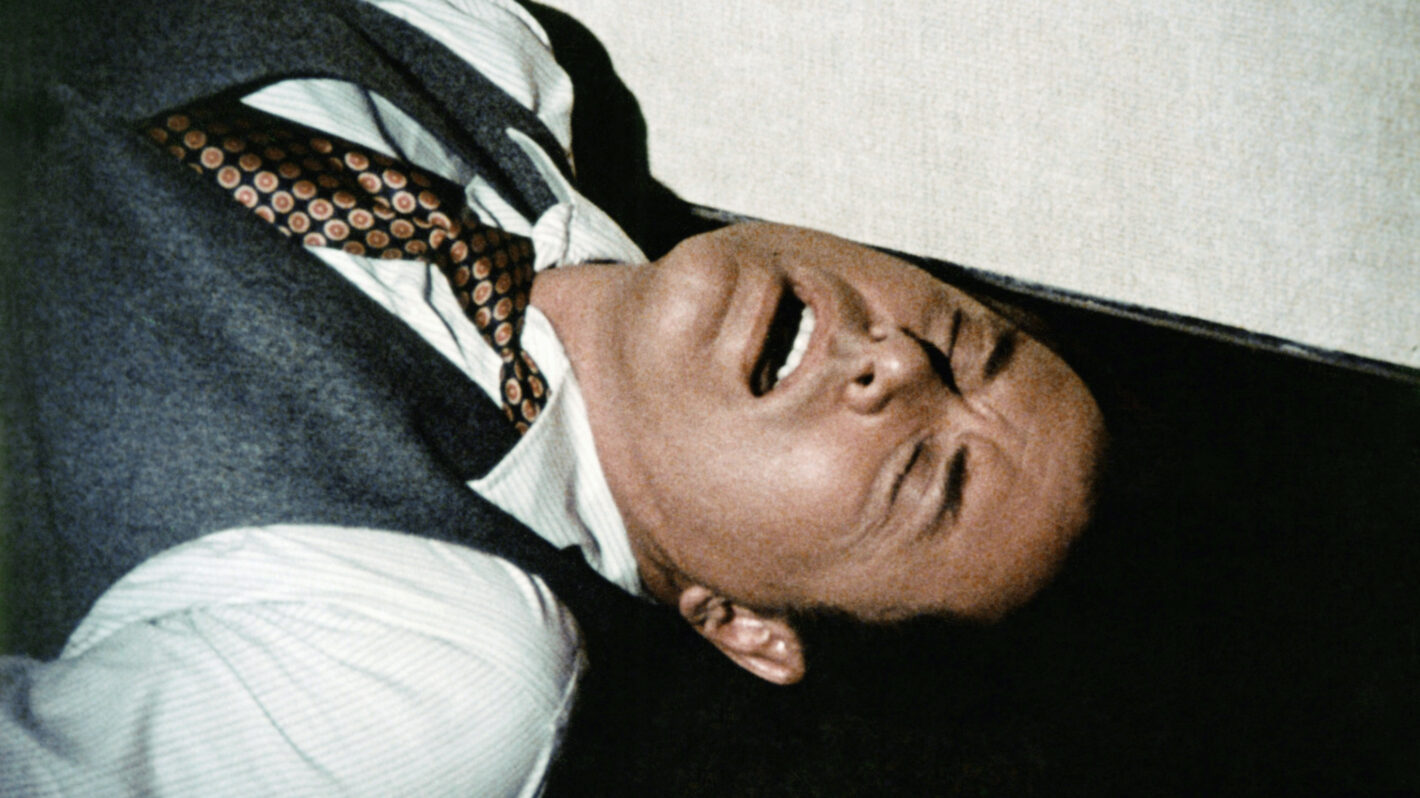
One of the most famous chapters in television history centres on Bobby Ewing’s fate and the series’ bold reset. The 1985–86 season, later reframed as Pamela’s dream, allowed Dallas to restore Bobby to the story and re-establish the emotional architecture of the show.

The move remains debated because it rewrote a full year of story, but it also underlines Bobby’s value. Dallas could survive storms, scandals, and betrayals; removing Bobby changed the show’s internal balance. His return restored the “two-poles” dynamic: Bobby and J.R., principle and appetite, family and empire.
Step by Step: a second iconic TV era
After the original Dallas run, Duffy pivoted to family comedy with Step by Step, playing Frank Lambert. The shift highlighted his range: warmth, timing, and a relaxed screen presence that never loses sincerity. For many viewers, Step by Step became a “second signature” show — proof that primetime soap fame did not define the full shape of his career.

The role also reinforced what Dallas audiences already knew: Duffy’s most effective performances are built on steadiness. In drama, that steadiness becomes moral authority. In comedy, it becomes reliability and charm.
Later career: directing, returns, and modern Dallas
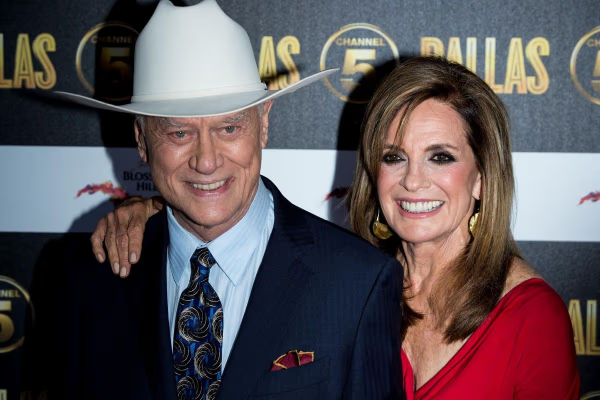
Duffy continued working across television, including directing. When Dallas returned for a modern continuation on TNT, he reprised Bobby Ewing with an older, wiser energy — the character matured into Southfork’s stabilising elder rather than its moral opposition.
The revival treated time as real: Bobby carries the weight of decades, and Duffy plays that life experience directly — more patience, more caution, and a deeper understanding of what it takes to hold a family together when the family is also a corporation.
Wife & children: Carlyn Rosser, Padraic, and Conor
Duffy married ballerina Carlyn Rosser in 1974. Their marriage lasted more than four decades and remained a steady constant through fame, relocations, and demanding production schedules. Together they had two sons, Padraic and Conor.

Rosser died in 2017. In later years, Duffy has spoken about grief and continuity — the ways long partnership shapes the entire rhythm of a life, including how a person approaches work, home, and family responsibility.
1986 tragedy: the loss of his parents
In November 1986, Duffy’s parents, Terence and Marie Duffy, were murdered during a robbery at the tavern they owned in Boulder, Montana. The tragedy occurred at the height of Dallas fame and became one of the most painful turning points of his personal life.

The event is often cited as evidence of Duffy’s resilience. Public life continued, but the foundation shifted. His later work — especially the steadier, more reflective version of Bobby in the continuation era — feels informed by lived experience rather than performance alone.
Selected roles timeline
A curated timeline of major television roles and career milestones.
| Years | Title | Role | Notes |
|---|---|---|---|
| 1977–1978 | Man from Atlantis | Mark Harris | Cult sci-fi lead role that helped establish him as a television leading man. |
| 1978–1985 | Dallas | Bobby Ewing | Original run era before Bobby’s on-screen death and the show’s major reset. |
| 1986–1991 | Dallas | Bobby Ewing | Return era after the Dream Season reveal; Bobby becomes increasingly pivotal to the show’s structure. |
| 1991–1998 | Step by Step | Frank Lambert | Signature family sitcom role that showcased warmth and comedy timing. |
| 1996 | Dallas: J.R. Returns | Bobby Ewing | TV movie continuation. |
| 1998 | Dallas: War of the Ewings | Bobby Ewing | TV movie continuation. |
| 2012–2014 | Dallas (TNT continuation) | Bobby Ewing | Modern continuation; Bobby as elder statesman at Southfork. |
| 2006–2011 | The Bold and the Beautiful | Stephen Logan | Major daytime role in a long-running soap, reinforcing his cross-genre longevity. |
Patrick Duffy FAQ
Who did Patrick Duffy play on Dallas?
He played Bobby Ewing, often viewed as the show’s moral centre and J.R.’s primary counterweight.
When was Patrick Duffy born?
Patrick Duffy was born on 17 March 1949 in Townsend, Montana.
What is Patrick Duffy famous for besides Dallas?
He is also widely known for Step by Step as Frank Lambert and for starring in Man from Atlantis.
Who was Patrick Duffy married to?
He was married to ballerina Carlyn Rosser (1974–2017).
Does Patrick Duffy have children?
Yes. He has two sons: Padraic and Conor.
What is the Dallas “Dream Season” and how does it relate to Bobby?
The 1985–86 season was later reframed as Pamela’s dream, allowing the series to restore Bobby to the storyline. A detailed guide is available at /dallas-dream-season/.
Where can Dallas episodes be browsed on this site?
The episode hub is /episodes/, with additional resources in the classic episode guide section.
Where can Patrick Duffy interviews be found?
The interviews archive is at /interviews/.